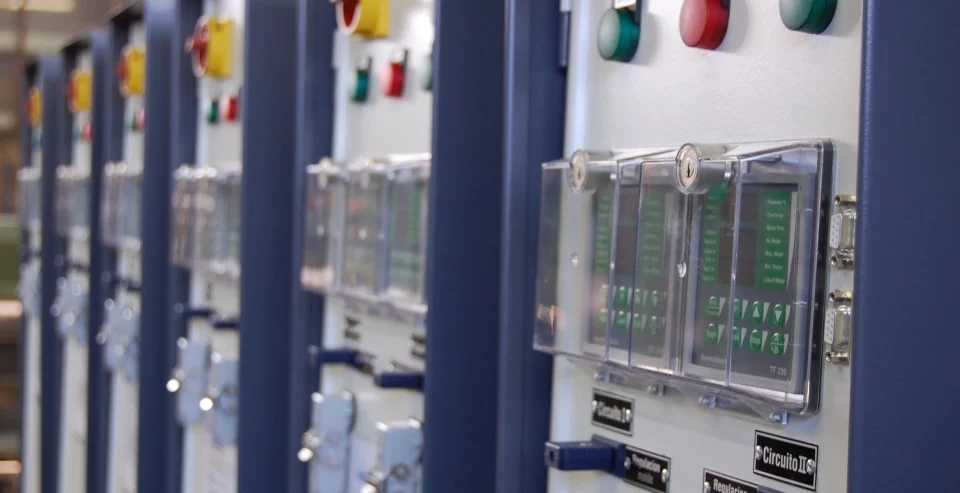
This article provides a clear overview of temperature control units (also called heating-cooling units) and where they are used. Temperature control units are used wherever a consumer must be controlled to a specific temperature via a heat transfer medium or different temperature levels must be reached cyclically via cascade control. Typical consumers include die casting and injection molds, dies, calendars and rollers, across industries such as die casting, plastics, pharma, chemical and food.
For reliable operation, several prerequisites on the consumer side are essential: clean tempering channels without deposits or dead zones, tight and insulated lines sized for the maximum temperature and pressure range, as well as secure connections. To avoid damage, filtration of the medium in the flow and return is strongly recommended since corrosion residues, metal chips, sand or cracked oil can lead to pump wear or failure.
Heating is typically performed electrically via tubular heaters in selectable power stages. Cooling can be direct or indirect (e.g., via cooling coils or plate heat exchangers, in-line or bypass). Control strategies may compensate for standstill losses automatically. Flow-based control monitors and adjusts the flow per circuit (via servo valves or manual valves) or uses variable‑speed pumps as a valve-free alternative.
Integration into higher-level machine control systems is often possible. Process data can be centralized and documented, with common interfaces such as OPC UA, Profinet and Profibus available.